The bus route everyone tells you to ride for free sightseeing was cut in half three years ago. The Ceremony of the Keys stopped being free. Friday is a peak-fare day again. And the Oyster card now costs £10 that you do not get back. Here is what actually holds in September 2026, from someone who has lived here her whole life.
Most London advice is recycled from other London advice, which is why so much of it is quietly out of date. Fares changed in March. The Tips Act changed what happens to your service charge. Half the “insider” bus route recommendations point at routes that no longer run.
These are the forty-odd things I would tell a friend flying in next week, with the current numbers, and the ones that are wrong everywhere else flagged as I go.
Quick answers
What is the cheapest way to get around? Tap in with a contactless card or phone. Same fares as Oyster, no card fee, and the daily cap in zones 1 to 2 is £8.90.
Do I need an Oyster card? No. The card itself now costs £10 and it is a fee, not a refundable deposit. The only reason to buy one is to link a railcard, which contactless still cannot do.
How do I get in from Heathrow? Elizabeth line, £15.50 into zone 1, about 30 to 40 minutes. The Piccadilly line is £5.90 and takes an hour, which is the better deal if you are not carrying much.
Is London expensive? The transport is not. The attractions are. The way round it is that the best museums and galleries here are free, permanently, and always have been.
How much should I tip? Nothing, if there is already a 12.5 per cent service charge on the bill, which there usually is. Since October 2024 that money has to reach the staff in full.
Getting around
Tap in with a bank card and forget the Oyster
Contactless and Oyster charge exactly the same fares, and both are roughly half what a paper ticket costs: a zone 1 single is £3.10 at peak and £3.00 off-peak, against £7.00 from the machine. The daily cap in zones 1 to 2 is £8.90 and the Monday to Sunday cap is £44.70, and both are frozen until March 2027.
Use one card or one device for the whole trip and do not swap between the two, because the caps are worked out per card. Two people tapping the same card through the gate is the other classic mistake and it will cost you a maximum fare each time.
The one exception. If you hold a UK railcard, buy an Oyster and ask staff at any Tube ticket office to link the two. That is 34 per cent off off-peak fares and off-peak caps, and it still does not work on contactless despite years of promises.
Friday is a peak day again
Peak is Monday to Friday, 06:30 to 09:30 and 16:00 to 19:00. There was a trial in spring 2024 that made Fridays off-peak all day, it did not shift anyone’s behaviour, and it was quietly dropped. Plenty of guides still tell you otherwise and it will cost you real money on a Friday morning.
One genuinely useful quirk survives: a journey from a station outside zone 1 into zone 1 between 16:00 and 19:00 on a weekday is charged off-peak. So the evening rush into town is cheaper than the evening rush out of it.
The number 11 bus no longer does what everyone says it does
For years the standard tip was to ride the 11 from Fulham to Liverpool Street as a £1.75 sightseeing tour. It was a good tip. It was cut back to Waterloo in April 2023 and it now stops short of Trafalgar Square, the Strand, Fleet Street, St Paul’s and the whole City, which was the best half.
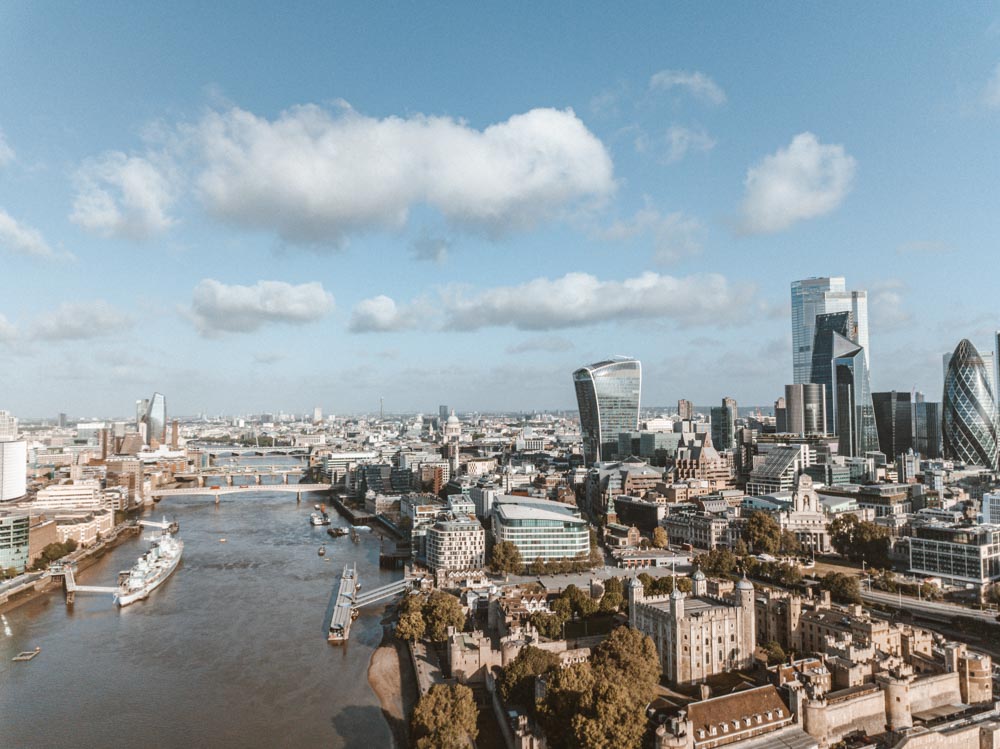
Ride the 15 instead. Blackwall to Charing Cross, and it covers exactly the stretch the 11 lost: Trafalgar Square, the Strand, Aldwych, Fleet Street, St Paul’s, Monument and the Tower of London. One fare, upstairs at the front, no commentary. The 24 is the other one worth knowing, running Victoria to Hampstead Heath via Whitehall and Camden, which is the best cross-section of the city on a single bus.
While we are here: the heritage Routemaster services on the 9 and 15 are both long gone, in 2014 and 2020, and the RV1 was withdrawn in 2019. If a guide is still recommending any of the three, stop reading it.
Bus fares are the bargain and the Hopper is the reason
A bus is £1.75 wherever you go, and the Hopper gives you unlimited further buses within an hour on that one fare. The daily bus cap is £5.25 and the weekly is £26.25.
Get the bus for anything within about three miles rather than the Tube. It is a third of the price, you can see where you are, and in central London at rush hour it is frequently no slower.
Walking is faster than you think
Central London is small. Leicester Square to Covent Garden is a 260-metre walk and people genuinely take the Tube between them. Charing Cross to Embankment is shorter still.
Our rule: if it is two stops or fewer on the same line, walk it. You will get there in about the same time, and the bit between the stations is almost always the interesting part.
Skip the airport express trains, with one exception
Heathrow Express is £26 walk-up for a 15-minute run to Paddington. The Elizabeth line is £15.50 into zone 1 and takes about 30 minutes, going on to Bond Street, Tottenham Court Road, Farringdon, Liverpool Street and Canary Wharf without a change. The Piccadilly line is £5.90 and takes an hour.
Take the Elizabeth line unless you are travelling light and unhurried, in which case the Piccadilly line saves you nearly ten pounds. The only case for Heathrow Express is the £10 advance fare, and that now needs booking a month ahead.
Gatwick: Thameslink or Southern, around £15, and Thameslink is the only one that reaches St Pancras if you are connecting to the Eurostar. Gatwick Express is around £20 for a train that is barely faster. Stansted: Stansted Express takes 48 minutes to Liverpool Street, from £9.90 if you book roughly three months out and about £21 on the day.
One detail nobody mentions: Heathrow journeys touching zone 1 are charged at the peak rate at every hour of the day. There is no off-peak fare from the airport.
Do not drive, and remember we are on the left
The Congestion Charge, the ULEZ, the parking and the one-way systems make driving in central London an expensive way to sit still. Between the Tube, the buses and your feet you will not need a car.
If you are hiring one to get out of the city, we drive on the left. The bigger risk to a visitor is on foot: look right first when you step off a kerb. The reason “LOOK RIGHT” is painted at every central London crossing is that people from most of the world instinctively look the wrong way.
Hire bikes, and park them in a bay
Santander Cycles changed in April 2025 and the old £2 access fee is gone. A single ride on a classic bike is £1.65 per 30 minutes, the Day Pass is £3.50 for 24 hours of unlimited 60-minute rides, and an e-bike is £3.00 per 30 minutes. You have to dock the bike before each period expires and take another one out, which is the bit that catches people.
Lime and Forest e-bikes are everywhere and the parking rules have tightened hard. Several boroughs now require you to finish in a marked bay, Kensington and Chelsea has taken around £210,000 in fines and fees, and Wandsworth impounds badly parked bikes. Park in a bay, screenshot the end-of-ride confirmation, and expect the app to keep charging if it will not let you finish.
Money, tipping and the practical stuff
Leave the tip alone if service is already on the bill
London restaurants add a discretionary service charge of 12.5 per cent as standard. It is discretionary, you can ask for it to come off, and you do not tip on top of it.
The old advice was to tip in cash so the staff actually got it. That is now out of date. The Employment (Allocation of Tips) Act came into force in October 2024 and requires employers to pass on 100 per cent of tips and service charges with no deductions, distributed by the end of the following month, under a written policy staff can ask to see.
In pubs you order and pay at the bar and there is no tipping at all. Buying the bar staff a drink is the traditional version and it still lands well.
There is more on who to tip and how much in our guide to tipping in London.
Know the money
Pounds sterling, and Scottish and Northern Irish notes are legal but occasionally refused by people who should know better. Cards work almost everywhere and a lot of places are card-only now, so you can genuinely spend a week here without touching cash.
Carry about £20 in coins and small notes anyway, for the odd market stall, a tip in a cab, or the handful of pubs that still have a cash-only back bar.
Bring a Type G adapter, and use an eSIM
UK sockets are Type G, three rectangular pins, running at 230 volts. Modern phone and laptop chargers handle 100 to 240 volts so an adapter is all you need. American hair dryers and straighteners generally do not, and will need a converter or they will burn out.
For data, buy an eSIM before you fly rather than queueing at an airport kiosk. Ten gigabytes over 30 days runs about £8 to £10 from the usual providers, and it is active the moment you land. If you are coming from the EU, check your roaming: post-Brexit, a lot of European plans no longer include the UK.
Drink the tap water
London tap water is safe, heavily tested and perfectly good. Bring a refillable bottle and use it.
The line worth remembering: any licensed premises, which is every pub, bar and most restaurants, is legally obliged to give you free drinking water on request whether or not you buy anything. There are also more than a hundred public drinking fountains under the Mayor’s scheme, in blue with a water-droplet design, and around 4,500 refill points on the Refill app.
Store your bags rather than pacing near your hotel
If your flight is at nine in the evening and checkout was at eleven in the morning, luggage storage buys you the whole day. Stasher and Bounce start around £1.50 to £2 a bag a day, Radical Storage is similar, and Nannybag now prices by size, from £3.40 for a small bag to £4.90 for a regular one. Realistically you will pay £5 to £7 a bag in central London whichever you use.
Book the drop-off near where you want to end the day rather than near where you slept. The whole point is not going back.
Station left luggage is the fallback and it is dear: about £15 a day per item at the big termini.
Where to stay and what to book
Stay central, or stay on one line
London is enormous and the travel time will eat your trip. Zone 1 costs more per night and gives you back an hour a day.
If the central rates are out of reach, the rule is not “cheaper postcode”, it is “one line, no changes”. Somewhere in zone 2 with a direct Victoria, Jubilee or Elizabeth line run into the middle beats somewhere technically nearer that needs two changes. Our guide to where to stay in London breaks it down by neighbourhood.
Fly into the airport that suits where you are staying
Heathrow is the most connected and the easiest. City is the closest and the fastest to clear, and it is the one to pick if you are heading anywhere east or to Canary Wharf. Gatwick is fine. Luton and Stansted are a long way out and the transfer will erase whatever the flight saved you.
Compare the total door-to-door cost, not the fare. A £19 flight into Stansted with a £21 train at the other end is not a £19 flight.
The London Pass only works if you are going hard
It covers 110-plus attractions and is run by Go City. Prices start from £99 for an adult day pass and run to £279 for ten days, with children from £79. Go City discounts constantly, so the live price is usually below the headline.
Do the arithmetic before you buy. It pays off if you are doing the Tower, St Paul’s, Westminster Abbey and a river cruise in two days, and it is a waste of money if you are mostly doing the free museums, which is most people. Our honest verdict on whether the London Pass is worth it has the sums.
Book the Ceremony of the Keys, and know that it is not free any more
The 700-year-old nightly locking of the Tower of London is still the best thing you can do in this city after dark. It is no longer free and there is no longer a ballot: tickets are pay-what-you-can from £10 to £50, with £30 suggested, booked online.
Tickets go up on the first working day of each month at 1pm for the following month. Set a reminder for that, book the £10 tier if the price is a stretch because the palace explicitly invites it, and be at the gate by 21:25 because they will not let you in late.
Book the small theatres, not the West End
The West End is fine, and if you want a big musical that is where it is. But the best theatre in London is happening in rooms with three hundred seats, and it costs less.
The National Theatre’s Friday Rush puts £10 tickets up every Friday for the following week: you join the waiting room between 12:30 and 12:55 and get a random queue number at 1pm, so clicking fast is not the trick, being in early is. Beyond that, the Almeida, the Donmar, the Bridge, the Old Vic and the Young Vic are all worth booking blind. The Almeida’s autumn show sold out before it opened, which tells you to book these weeks ahead rather than treating them as a walk-up.

What to actually do
The best museums here are free, and they always have been
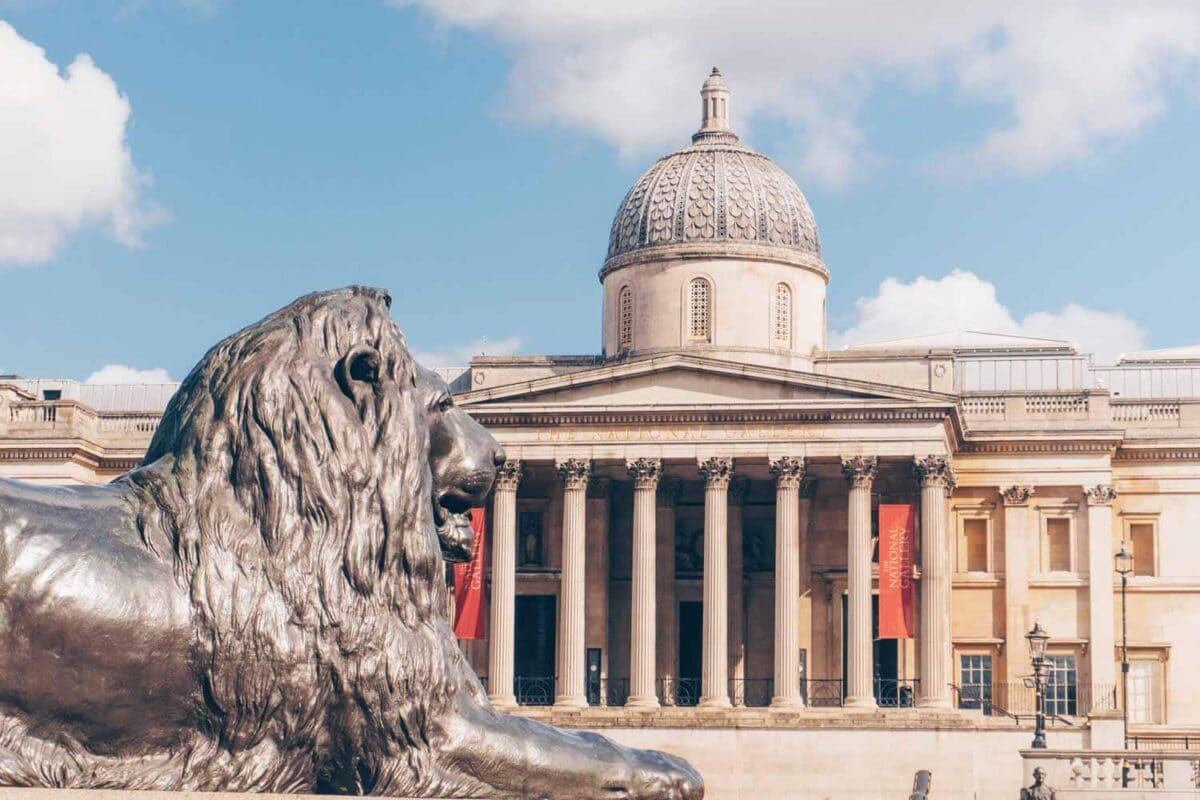
The British Museum, the V&A, the Natural History Museum, the Science Museum, Tate Modern, Tate Britain, the National Gallery, the National Portrait Gallery, the Wallace Collection, the Imperial War Museum and Sir John Soane’s are all free to walk into. Not discounted. Free.
Pick two a day at most and give each of them two hours. The mistake everyone makes is trying to do the British Museum and the V&A on the same afternoon, at which point you have seen neither. Our guide to the free museums has the full list, including the small ones.

Do the South Bank walk
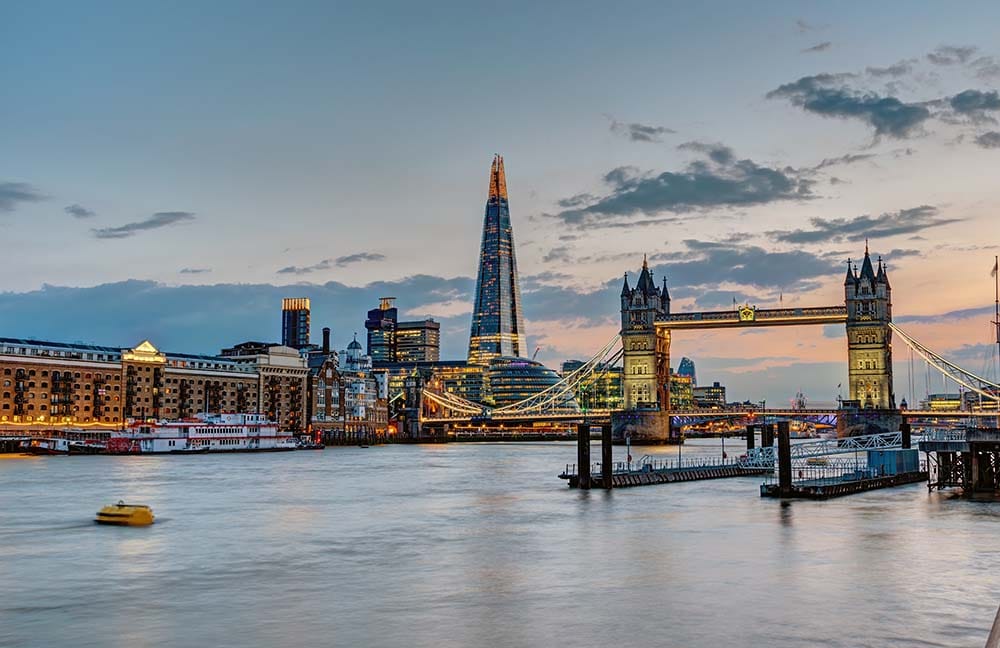
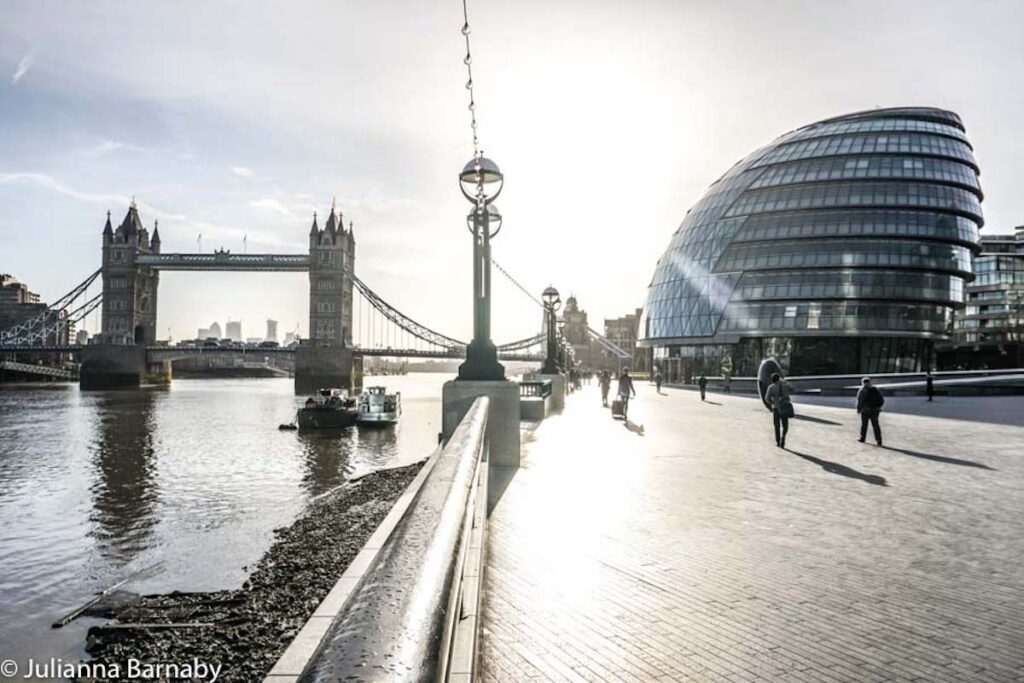
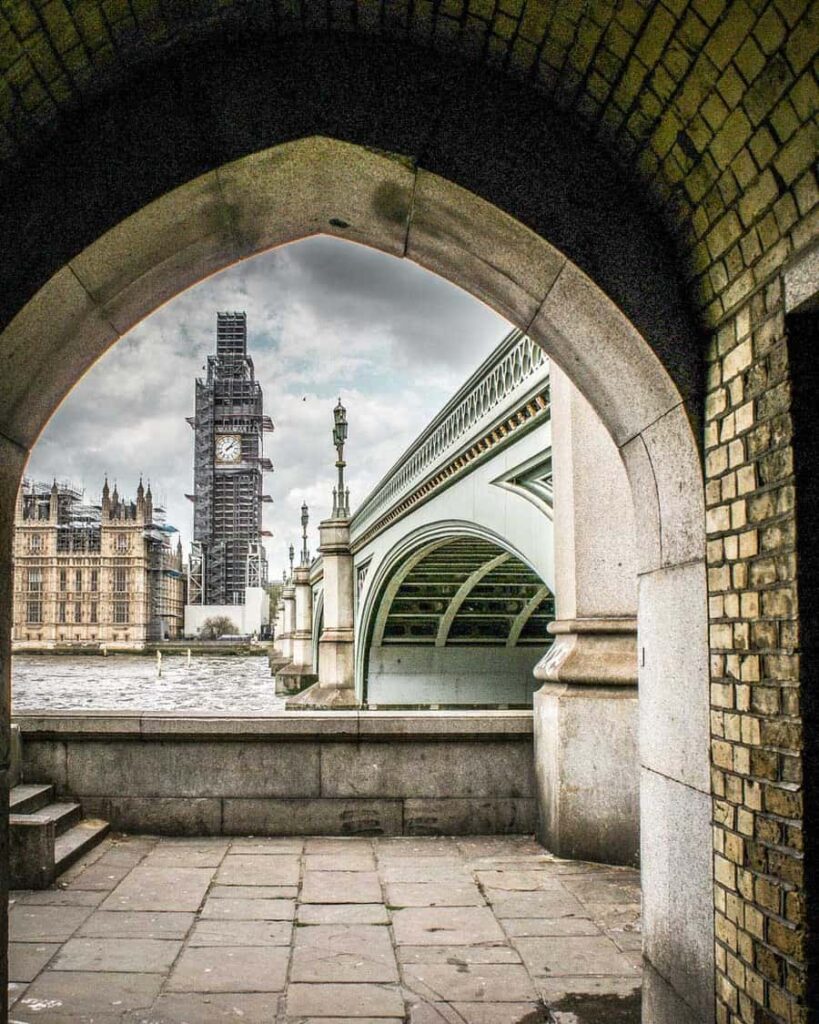
Westminster Bridge to Tower Bridge along the south side of the river is about three miles and takes in the London Eye, the Southbank Centre, the National Theatre, Gabriel’s Wharf, Tate Modern, the Globe, Borough Market and the Shard, with the whole north bank in front of you the entire way.
Walk it west to east in the late afternoon so the light is behind you and you finish at Tower Bridge at dusk. Start with a coffee at the BFI and stop at Borough for lunch. It is the single best free half-day in London and it is in our roundup of the best walks in London.
Use the river bus, not a river cruise
The Uber Boat by Thames Clippers is a commuter service that happens to run past everything. It costs a fraction of a sightseeing cruise, takes contactless, and you can hop off at Bankside or Greenwich rather than sitting through a loop.
Ride Westminster to Greenwich and sit outside at the back. You get Tower Bridge from the water, the O2, and Greenwich at the end of it, which is a proper day out rather than a photograph opportunity.
Eat at a street food market
London’s food reputation was fixed twenty years ago and the news has not reached everyone. The markets are the quickest proof.
Go to Maltby Street on a Saturday morning rather than Borough on a Saturday afternoon. It is half the size, a quarter as busy, and the queue for a scotch egg moves. Flat Iron Square, Mercato Metropolitano and Old Spitalfields are the other three worth your time.

Spend an evening in a proper old pub
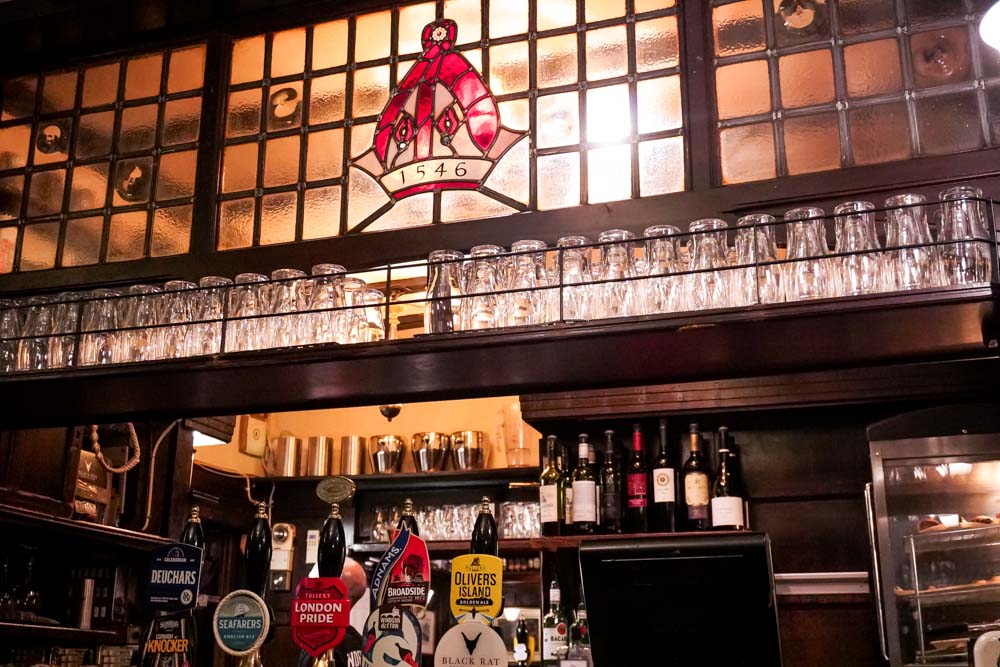
Not a chain with a Victorian font. A real one: Ye Olde Mitre down an alley off Hatton Garden, the Lamb and Flag in Covent Garden, the Grapes in Limehouse, the Seven Stars behind the Royal Courts of Justice.
Order at the bar, do not wait to be served at a table, and go at six on a weeknight rather than eight on a Friday when you will be drinking on the pavement. Our oldest pubs in London has the rest.
Get off the beaten track for at least an afternoon
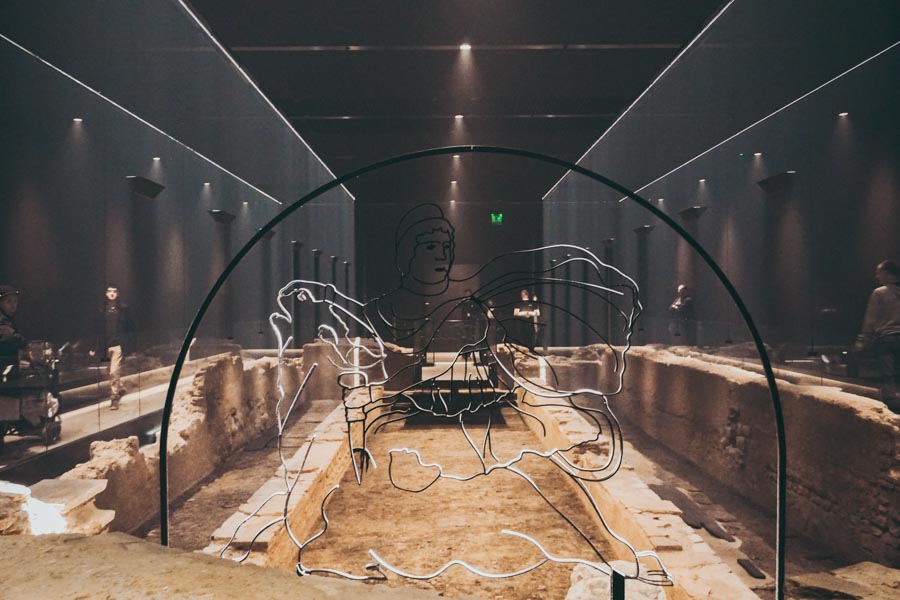
The Roman temple of Mithras is seven metres under the Bloomberg building, free, reassembled where it was found, with haze and chanting and lights coming up on the walls. The BFI Southbank Mediatheque gives you a private booth and the national film archive, also free, Tuesday to Sunday.
Book the Mithraeum ahead even though it is free, because entry runs in 20-minute slots and walk-up is not guaranteed. Then read our hidden gems and pick one more.
Get above the roofline for free
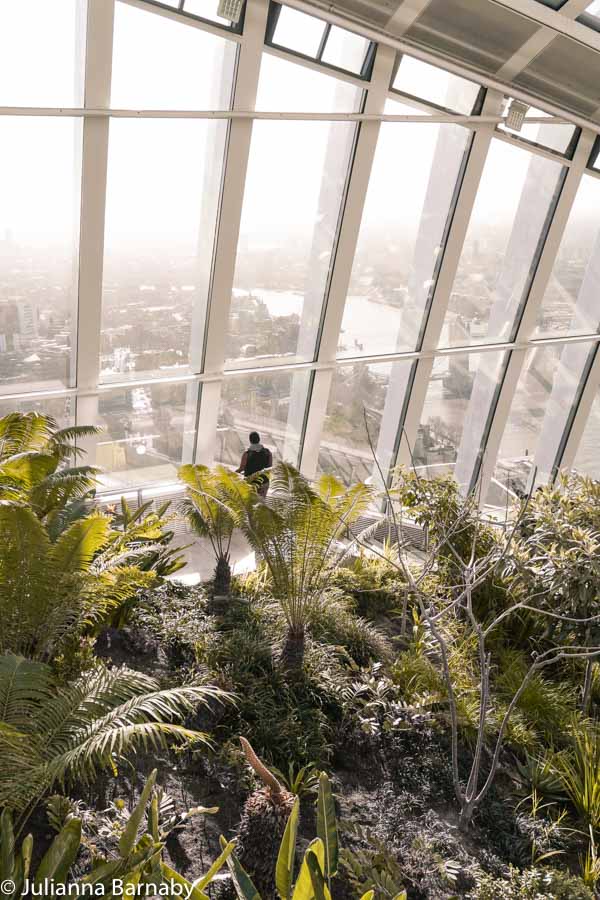
You do not have to pay for a view here. The Sky Garden is free with a timed ticket booked three weeks ahead, and the Garden at 120 on Fenchurch Street is free, needs no ticket at all and has a better view of the Gherkin because you are looking at it rather than standing next to it.
If the Sky Garden tickets have gone, go up for breakfast instead: the early-morning door ticket is £11.50 and includes a hot drink, and at eight in the morning there is nobody there. More of them in our best views in London.
Take a day trip
Half an hour on a train puts you in a Roman town, a Tudor palace or on a beach. St Albans is 20 minutes from St Pancras, Hampton Court is inside zone 6 so you tap in with the same card, and Whitstable is 78 minutes for oysters and a sunset.
Book advance singles in both directions for anything over an hour, because walk-up returns on the longer routes are brutal. Our day trips from London has forty of them with the current journey times.
Get into a park
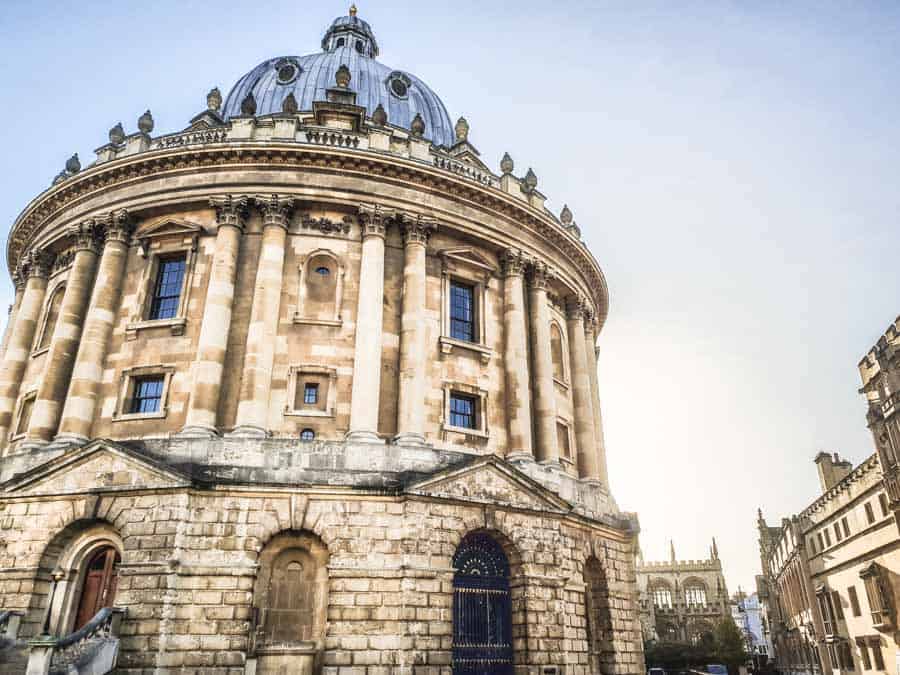
Nearly half of London is green space and the parks are not an afterthought here, they are where the city actually relaxes. Richmond has six hundred deer, Hampstead Heath has the swimming ponds and the best view in north London, and St James’s has pelicans that have been there since 1664.
Go to Richmond in October for the rut, and keep a hundred metres back from the stags. People get hurt there every year trying for a photograph.

Manners, and how not to stand out
Stand on the right
On every escalator on the Underground, stand on the right and leave the left clear for people walking. This is not a preference, it is close to a moral position, and standing two abreast at Bank in the morning will earn you a level of silent fury you can feel through your coat.
Do not jump the queue
Queueing is the one national ritual we take entirely seriously. Find the back of it, join it, do not attempt to work out whether it is really a queue. If you are unsure, ask “are you in the queue?” and you will get a straight answer.
Let people off the train first
Stand to the side of the doors, let everyone out, then get on. Move down inside the carriage rather than clustering at the doors. Take your backpack off in a busy carriage. These three things will make you invisible in the good way.
Do not expect anyone to talk to you
Nobody speaks on the Tube. It is not rudeness, it is a shared agreement that the twenty minutes belong to you.
The exception is that Londoners will help instantly if you actually ask. Look lost on a platform and nobody will approach you; ask someone directly and they will walk you to the right line. Ask, rather than waiting to be rescued.
Order a pint properly
A pint is 568 millilitres, which is bigger than an American pint, so pace yourself. Order at the bar, pay as you go, and there is no table service in a traditional pub.
Order a half if you want to try something strong, ask for a taster before you commit, and if you want the driest thing on the bar say so rather than reading the pump clips. Bar staff here are good at this and nobody is judging you.
Before you go
Download these four things
Citymapper for getting anywhere, which is better than Google Maps in London specifically and will tell you which carriage to board. TfL Go for live status and step-free routes. Uber Boat for the river. And the National Rail app if you are doing day trips.
Download an offline map of central London before you fly, so an expired eSIM or a dead spot on the Northern line does not leave you stranded.
Pack for four seasons in one day
It rains less here than in Miami, which nobody believes. What it does instead is change its mind: bright at nine, wet at one, cold by six. Layers and a small umbrella beat a big coat.
The one thing to get right is shoes. You will walk far more than you plan to, on pavement, and the wrong shoes will end a day early. Our London packing list has the rest.

Check what is on before you fix the dates
London runs on a calendar. Notting Hill Carnival at the end of August, Open House in September when hundreds of buildings you can never normally enter open free, Bonfire Night, the Lord Mayor’s Show, Wimbledon, the Chelsea Flower Show.
Look at the calendar before you book flights rather than after. Shifting a trip by a week to land on Open House is the single highest-value change you can make to a London itinerary, and it costs nothing.
Read something before you come
London Under by Peter Ackroyd for what is beneath it. The Diary of a Nobody for how the suburbs happened. Anything by Iain Sinclair if you want the city as an argument rather than a destination.
If you only read one, make it Ackroyd, and read it on the Tube. The chapter on the buried rivers will change what you notice for the rest of your trip.
Ask for help when you are stuck
Every Underground station has staff and they are genuinely good at this. So is almost every Londoner, once asked.
The best question is a specific one. “How do I get to Angel?” gets you an answer in ten seconds. “Do you know this area?” gets you a shrug.
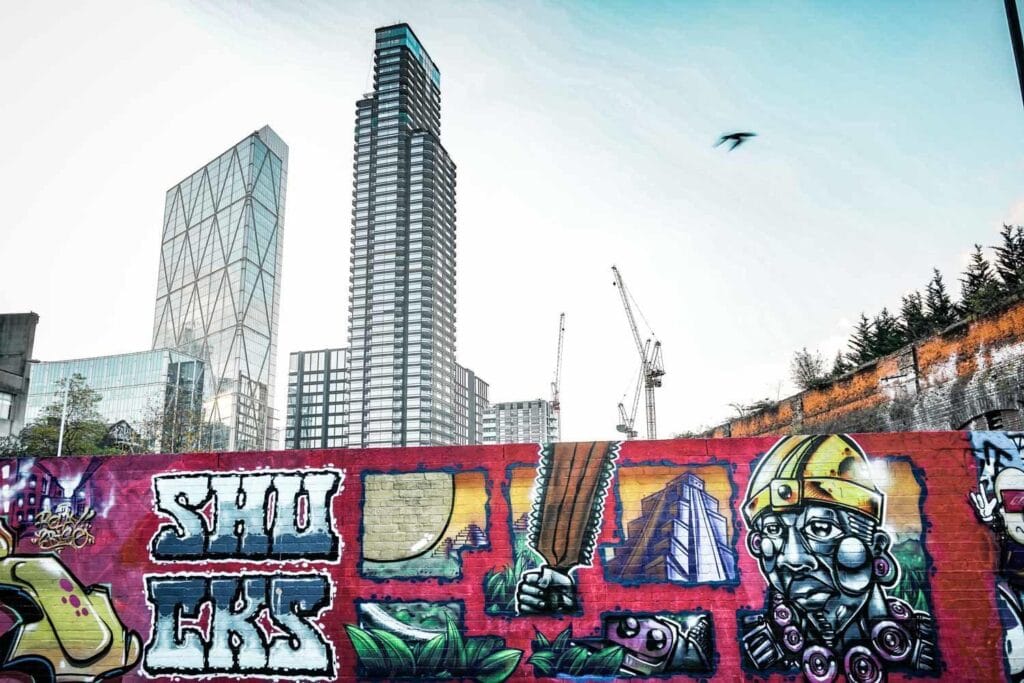
The London x London Take
If you take three things from this: tap in with a bank card and never buy a paper ticket, put the free museums at the centre of the itinerary rather than the edge of it, and walk between anything less than a mile apart.
The rest is detail. The genuine difference between a good London trip and a frustrating one is almost never money, it is time, and the two things that eat it are staying too far out and queueing for things that have a free equivalent two streets away. Get above the roofline at the Garden at 120 rather than paying for the Shard, ride the 15 rather than a tour bus, and spend what you have saved on dinner.
More of the practical stuff: our itineraries start with one day, and there is a whole guide to doing London for nothing.